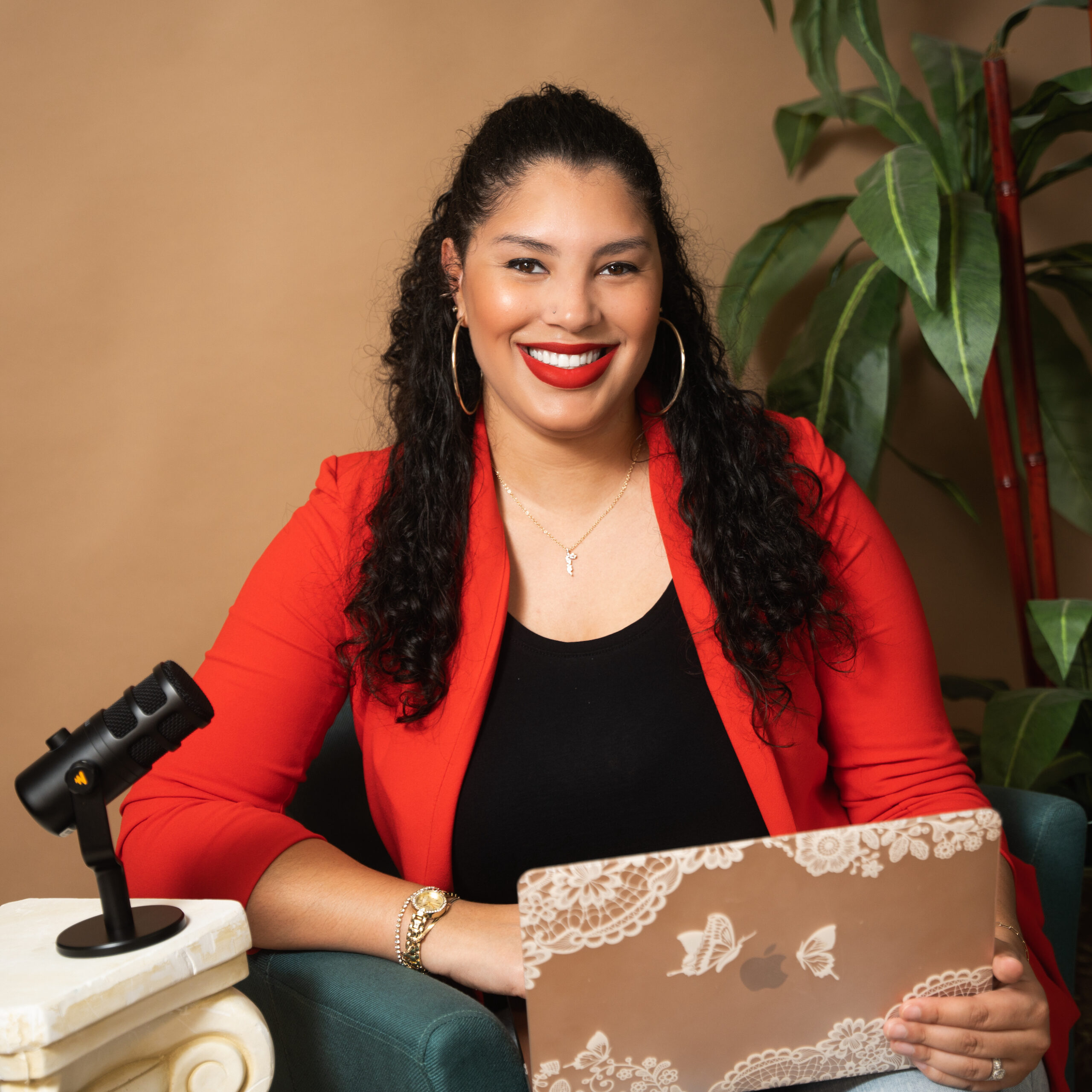
Today, I sit down with Savannah Reed. She is a bookkeeper and the daughter of a Jamaican immigrant father and an American mother. What unfolds is more than a cultural conversation. It’s a layered story about identity, tradition, perspective, and how growing up between two worlds shapes resilience and purpose.
Savannah’s story highlights what many children of immigrants experience: the tension between cultures, the appreciation that comes with maturity, and the realization that immigrant values often become lifelong anchors.
If you’ve ever wondered what it’s like to grow up in a bicultural household, or how immigrant parents influence their children’s mindset, this story offers both clarity and heart.
Let’s get into growing up between cultures.

Growing Up Between Cultures: Two Value Systems Under One Roof
Savannah describes her upbringing in Massachusetts as “very unique.” With a Jamaican father and a U.S.-born mother, she grew up between two cultural frameworks at once. She recalls noticing early how differently her father thought compared to those around her.
Rather than framing the difference as conflict, she frames it as perspective.
She shares that many immigrants. including her father, carry a grounded, realistic outlook on life. That realism often produces determination, focus, and entrepreneurial drive. It’s something the podcast has highlighted repeatedly: many immigrants go on to start businesses and create opportunities not just for themselves, but for others.
Through Savannah’s storytelling, we see how immigrant thinking patterns — practicality, discipline, and long-term focus — quietly shape the next generation.
Another similar story about growing up between cultures.
Visiting Jamaica: A Child’s Memory Marked by History
One of the most striking storytelling moments comes when Savannah recalls her first trip to Jamaica, which happened on September 11, 2001.
As a child, she didn’t fully understand what was happening, only that their flight was interrupted and rerouted. The memory stands as a powerful intersection of personal family history and world history, the kind of unexpected detail that gives real-life stories emotional weight.
She went on to visit Jamaica many times growing up, and those visits created a strong contrast with life in the United States.
Her descriptions are sensory and grounded:
- tighter communities
- slower pace of life
- town centers instead of sprawling commercial zones
- local food systems
- open-air markets and butcher vendors
- Sundays that feel quieter and more intentional
These details create a vivid cultural picture and reinforce a recurring theme in immigrant storytelling: exposure to multiple ways of living expands perspective.
Culture Shock Isn’t Always What You Expect
When asked about culture shock, Savannah shares a surprisingly relatable moment, realizing there was no Walmart nearby.
It sounds small, but it captures something bigger: how normalized convenience and scale are in the U.S., and how different daily life rhythms can feel elsewhere. She describes visiting a local meat vendor and being struck by how direct and sensory the experience was compared to packaged grocery store shopping back home.
These moments of contrast are powerful storytelling devices because they show culture through lived experience rather than theory.
Holding Onto Traditions — Even When Kids Don’t Understand
Another emotional thread in the episode is how immigrant parents try to preserve traditions — and how children often resist them at first.
Savannah reflects on how, as a child, some of her father’s values and rules felt outdated. But as an adult, she sees them differently. With maturity comes understanding: traditions are often less about control and more about protection, identity, and continuity.
This reflection mirrors what many second-generation children discover later in life — that the things they once questioned were rooted in care and cultural memory.
Redefining the American Dream
At the end of the episode, Savannah offers her definition of the American Dream. And it steps away from wealth and status.
For her, the American Dream means:
Having a vision for your life and overcoming the obstacles in the way of it, in whatever form that looks like for you.
It’s a deeply narrative definition. Not outcome-focused — journey-focused.
And it aligns perfectly with the podcast’s mission: changing the narrative of immigration, one story at a time.
Watching growing up between cultures.
With Love, Heidy
Join the Substack community for The American Dream in the Eyes of Immigrants Podcast and receive the episodes in your inbox. You can also leave comments, interact with other listeners, and listen to ad-free episodes.
Other Posts You May Enjoy: